




Fire Safety Regulations For Landlords
Looking to learn more about fire safety regulations for landlords? We’ve broken down everything you need to know in this handy guide. Read more.

Written by Rebecca
21st April 2023
People living in rented accommodation are at much greater risk of experiencing a fire than homeowners, which highlights the importance of landlords ensuring their rental properties are fire-safe.
Non-compliance with regulations could pose a serious threat to tenants and property, resulting in financial loss, legal action, and, in worst cases, fatalities.
This blog post will outline fire safety regulations landlords need to know, and the responsibilities they have to ensure their property is legally safe to minimise the risk of fire.
What are the fire regulations for landlords?
Landlords have a legal duty to comply with fire safety regulations to keep tenants and property safe from the risk of fire, smoke, and carbon monoxide, according to the Housing Act (2004) and the Regulatory Reform (Fire Safety) Order (2005).
As a landlord, you are required to meet certain obligations under the law so that if anything happens to your property or tenants, you can prove that you did everything that was required to prevent a fire incident.
Understanding the differences between renting a single-family property, a flat, or a block of flats is important since there is a lot more to consider when renting out more complex buildings accommodating multiple families.
Many regulations apply to all rented properties, which includes the installation of smoke alarms on each floor and providing residents with comprehensive fire safety information.
It is important to check local regulations in relation to your property as these may differ in Wales, Scotland, and Ireland.
New regulations for landlords
In January 2023, there were significant changes to fire safety regulations in England due to recommendations made by the Grenfell Tower Inquiry.
The updated regulations seek to improve fire safety for houses of multiple occupancy (HMOs) which are more practical and cost-effective for individual leaseholders.
All responsible persons for multi-occupied residential buildings in England with storeys over 11 metres will need to:
- undertake quarterly checks on all fire doors in common parts
- undertake annual checks on flat entrance doors
All responsible persons for multi-occupied residential buildings with two or more sets of domestic premises will also need to:
- provide residents with fire safety instructions and information on the importance of fire doors
You may be subject to the changes depending on whether you own or rent a multi-occupied residential building.
Read more about the new fire safety regulations.
Who is responsible for enforcing fire safety legislation for rental properties?
Local fire and rescue departments have the authority to carry out fire safety inspections within your property at any time to determine if your building is compliant.
They have the ability to issue notices and fines should they discover any failings. For serious offenses, those responsible could face a prison sentence for endangering lives.
Landlords’ fire safety responsibilities
Listed below are responsibilities for all rented properties, including single-household buildings:
- Install a smoke alarm on each storey of the building (alarms must comply with British Standards), ensuring they are in working order before each new tenancy begins
- Provide a working carbon monoxide alarm in any room with a fixed fuel-burning appliance i.e. a wood burning stove
- Ensure there is an evacuation plan for tenants
- Escape routes and fire exits should never be obstructed
- All furniture and furnishings that are supplied by the landlord must be fire retardant
- Annual inspection of gas appliances completed by a registered Gas Safe engineer
- Electrical systems & appliances should be in safe working order and CE marked if provided by the landlord
- Keep a copy of safety certificates for both landlord and tenants
Additional measures for HMOs and shared housing may include:
- Fire extinguishers and fire blankets
- Annual fire risk assessments with a record of findings - find out how to conduct a fire risk assessment
- Wayfinding signage to ensure safe evacuation
- Provide fire door information for all residents
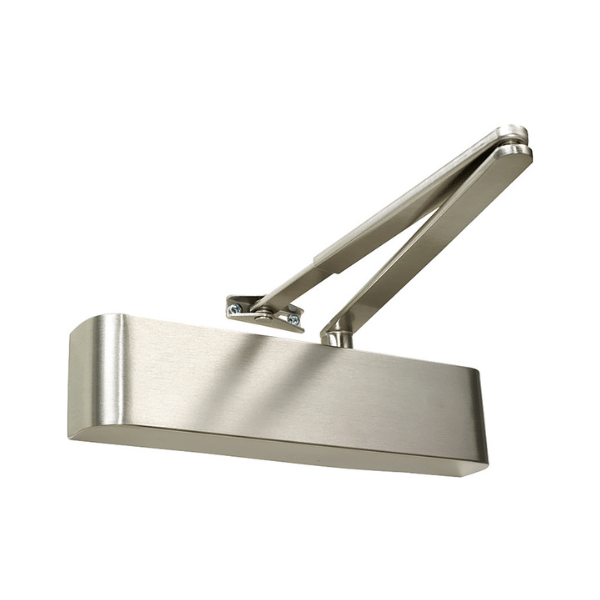
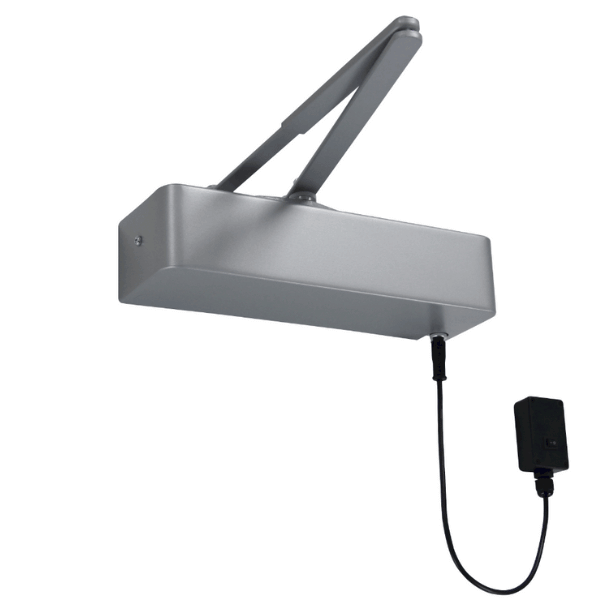
- Follow fire door regulations by installing certified fire doors with door closers
- Electrical inspection every five years by a qualified person
- Take responsibility for communal areas and the space between each building
How to reduce the risk of fires in rental properties
Accidents are prone to happening, however, there are practical steps landlords and tenants can take to help mitigate the likelihood of a fire starting.
Good communication between both parties is vital, however, we recommend including all the below information within your tenancy agreement:
- Tenants should test smoke alarms at least once a month and make a recording of this
- Inform tenants where escape routes and exits are, stressing the importance of keeping them clear at all times
- Remind tenants of good fire safety practices, such as not overloading plug sockets or leaving candles unattended
- Ensure all gas and electrical appliances are maintained and in good working order
- Provide tenants with clear instruction on how to report any problems or concerns
- Complete fire risk assessments
- Instruct tenants to keep any fire doors within the property closed at all times
- Keep up to date with all regulations
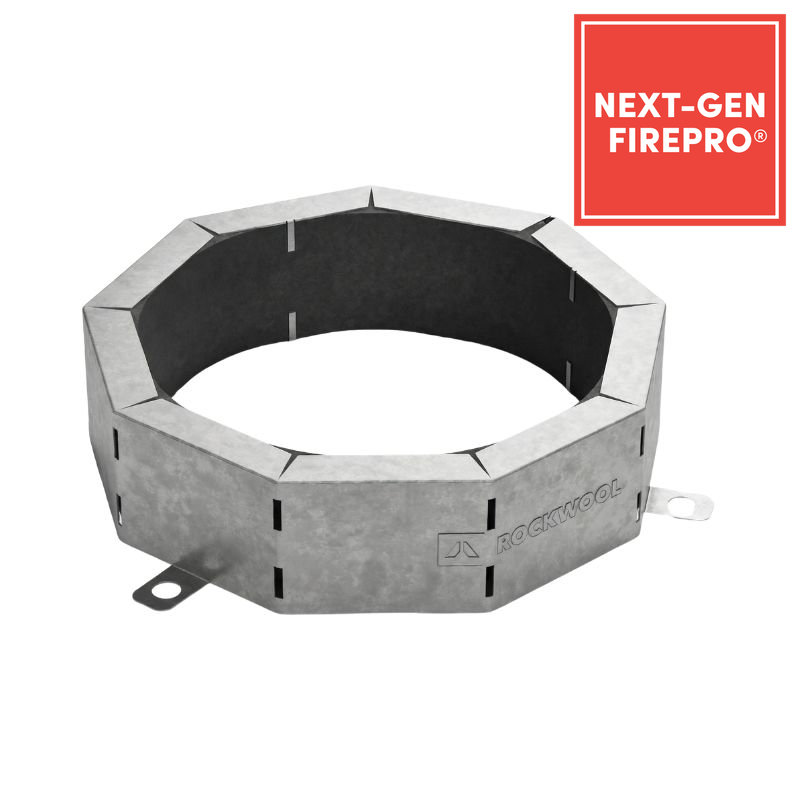
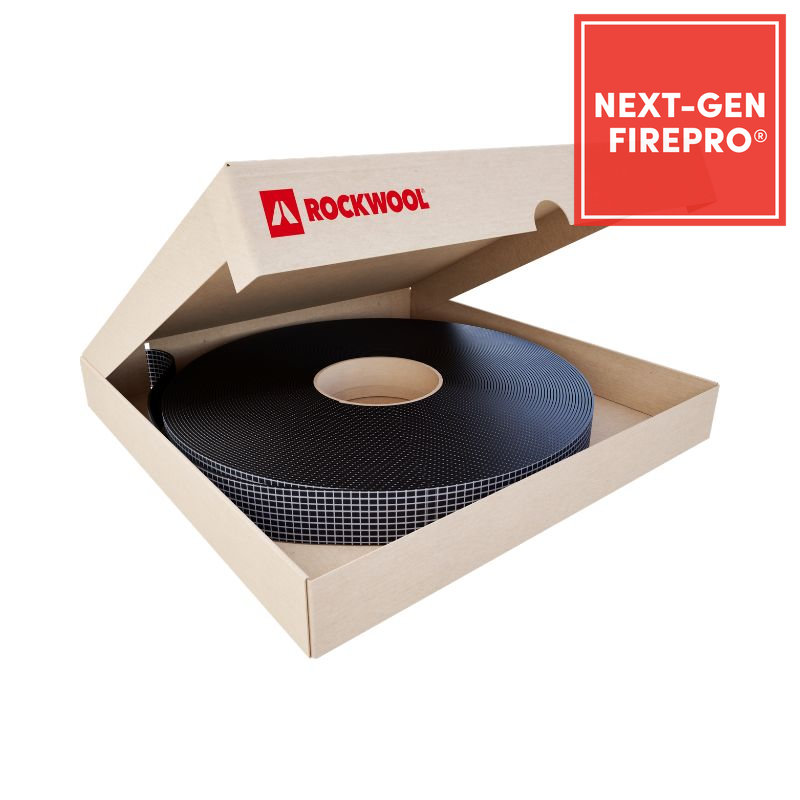
As experts in passive fire protection, the team at Fire Seals Direct are available if you need any help or guidance on Fire Safety Regulations for your property or other fire safety matters. Stay compliant with our passive fire protection products, such as fire door closers, drop-down fire door seals and our intumescent strips.
Contact our technical team on 02920 857 959 or [email protected] and they will be happy to assist you with any questions or queries.
Related Articles

Introducing: The Superior from CCE
Discover the Superior drop down door seal range from CCE and explore...
Read more
Fire Safety Regulations For Schools
Looking to learn more about fire safety regulations in schools? We’ve broken...
Read more

Our Fire Safety Guide For Commercial Business
Businesses are subject to many fire protection regulations, including the Fire Safety...
Read more