

Fire Safety Regulations in England are Changing
Find out everything you need to know about the Fire Safety (England) Regulation changes for 23rd January 2023.

Written by Esme
9th January 2023
Significant changes to fire safety regulations in England will come into force on 23rd January 2023.
The change in legislation will mean fire doors in multi-occupied residential buildings above 11 metres will legally be required to undergo more frequent inspections to ensure the fire safety standards of these buildings are met.
It introduces new duties under the Fire Safety Order for all ‘responsible persons’ such as building owners or managers. Legal and/or financial penalties will be issued should responsible persons fail to acknowledge or comply with the changes.
Why are the rules changing?
Regulations have been amended due to recommendations made by the Grenfell Tower Inquiry. The Inquiry found that fire doors in Grenfell Tower did not act in the way they should have due to them being damaged or in disrepair.
The report noted that "Fire doors play an essential role in preventing or inhibiting the spread of smoke and toxic gases and in preserving the effective compartmentation of buildings” and as such, it is vital that fire doors are maintained correctly to perform as expected in the event of a fire.
Below, we outline the updates and how you can ensure that the fire doors in your property adhere to the new legislation changes.
What are the new regulations?
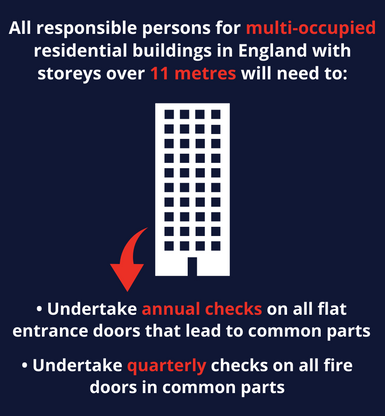
All responsible persons for multi-occupied residential buildings in England with storeys over 11 metres will need to:
- undertake quarterly checks on all fire doors in common parts
- undertake annual checks on all flat entrance doors that lead to a building's common parts
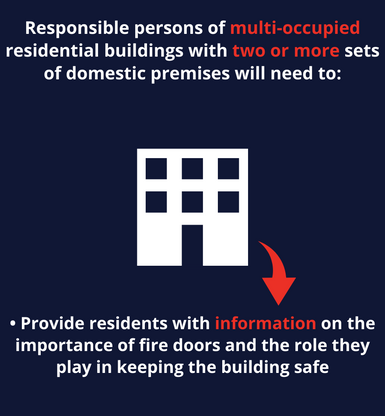
All responsible persons for multi-occupied residential buildings with two or more sets of domestic premises will also need to:
- provide all residents with information on fire doors and the role they play in keeping the building safe
It is strongly recommended that the ‘responsible person’ of every residential building containing separate dwellings carry out an urgent fire risk assessment and inspection on all fire doors to ensure they are compliant in readiness for the changes.
Checks to Carry Out
Apertures
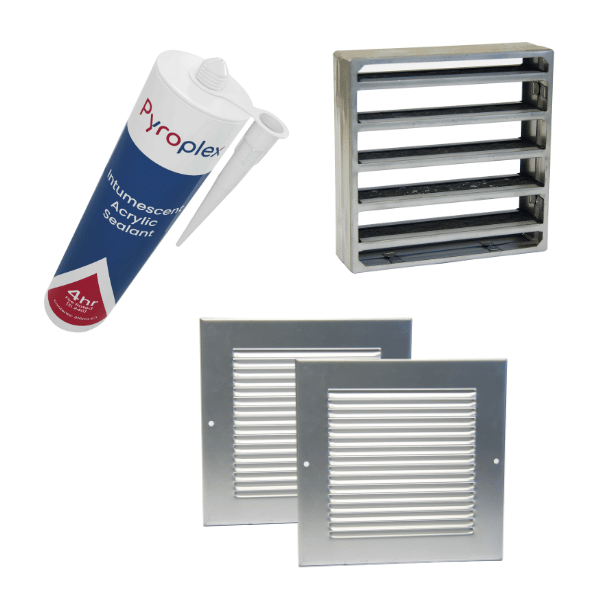
Any apertures made in a fire door for a window or the fitting of an air transfer grille should be done in accordance with the specification for the door leaf.
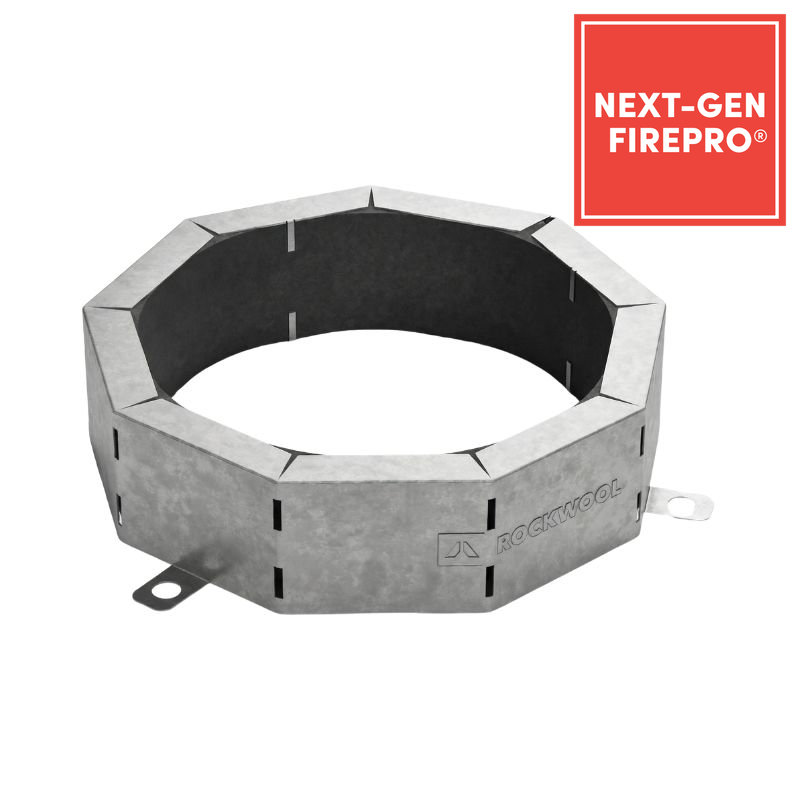
Windows should also be fire stopped through the use of an intumescent glazing system and intumescent air transfer grilles should always be used in fire doors where air flow is needed.
Certification
The fire door should have a label, plug or similar marking showing it is a certified fire door - this can be found on the top edge of the door.
Closers
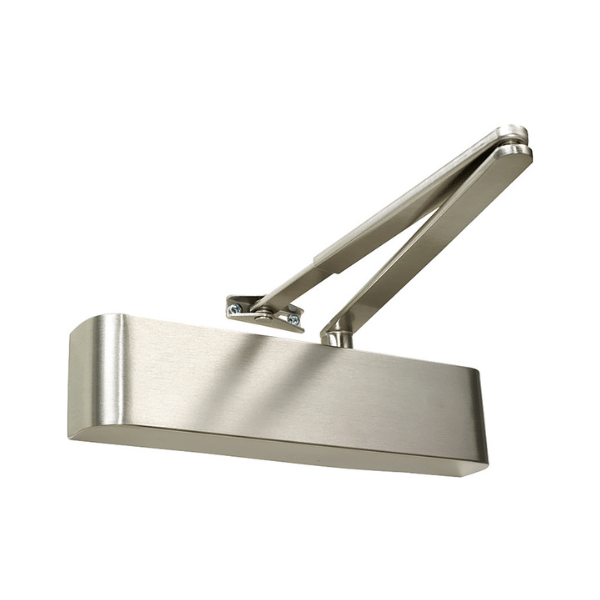
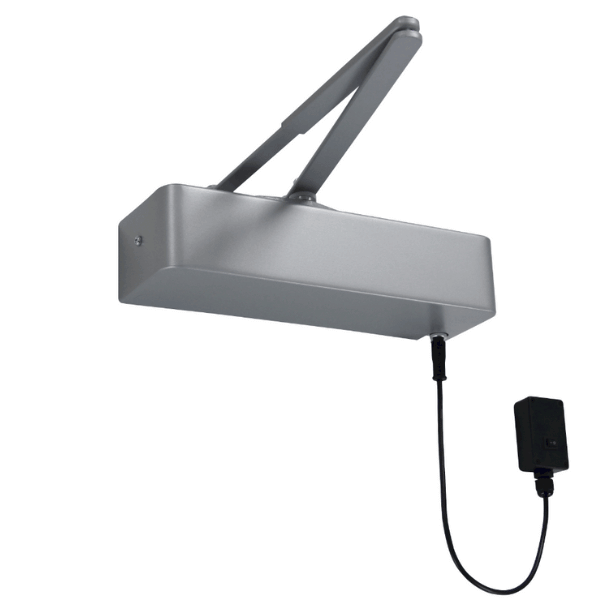
Door closers should be fully functioning and close onto the latch from any position with ease, with no obstacles causing resistance.
The whole assembly should close correctly and easily around all 4 sides.
Gaps & Seals
There should be a gap of no more than 3-4mm around the door and the door frame.
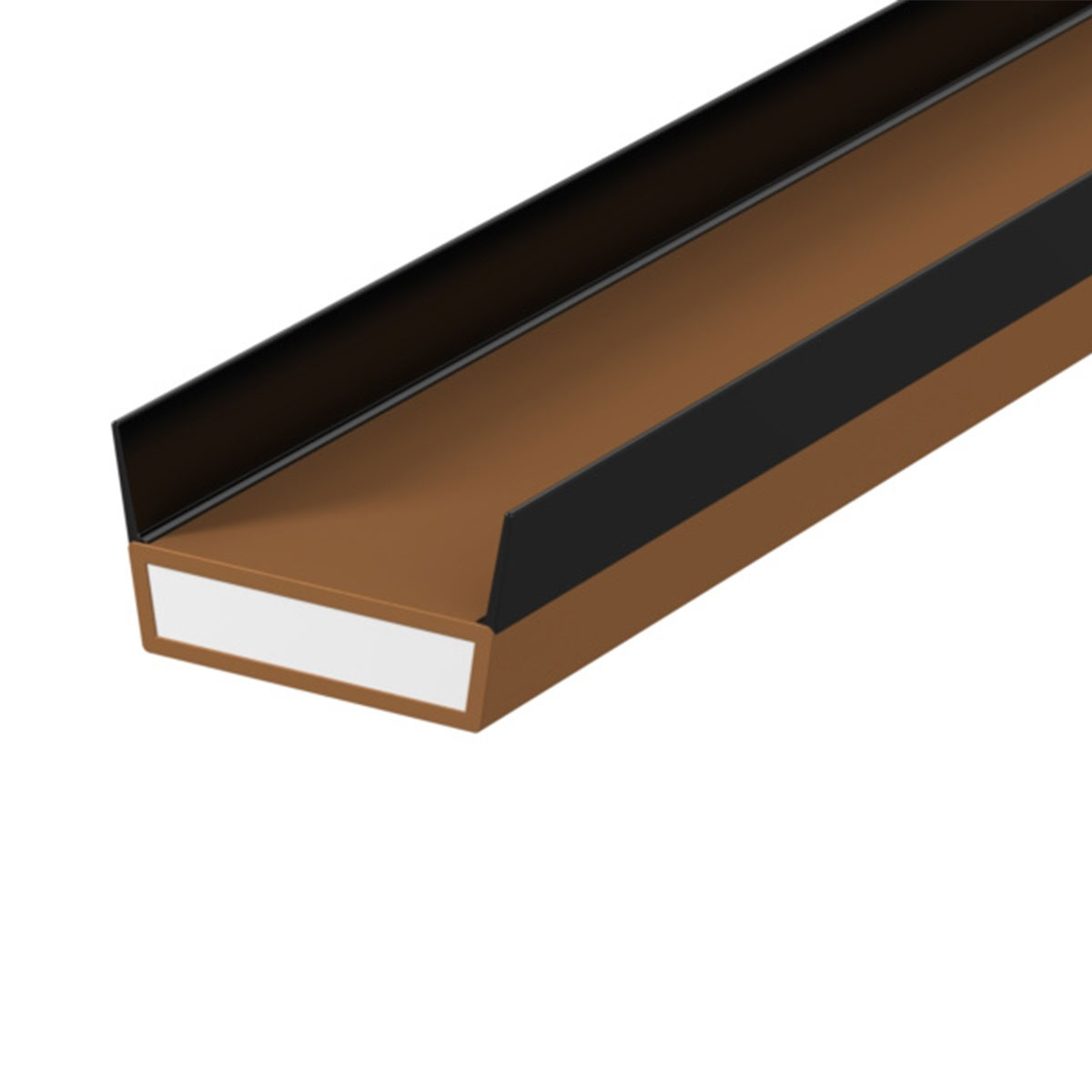
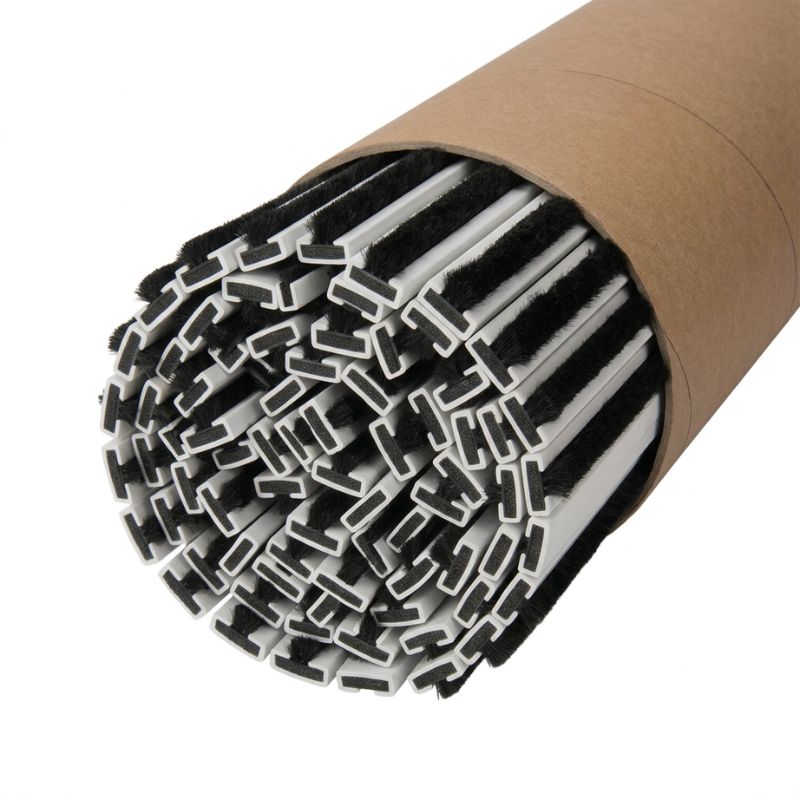
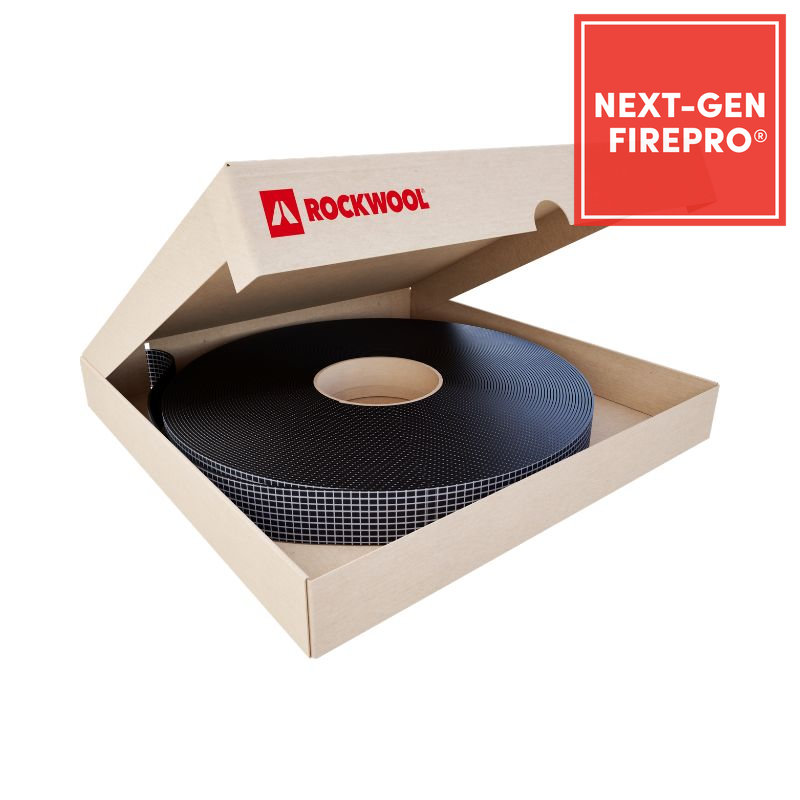
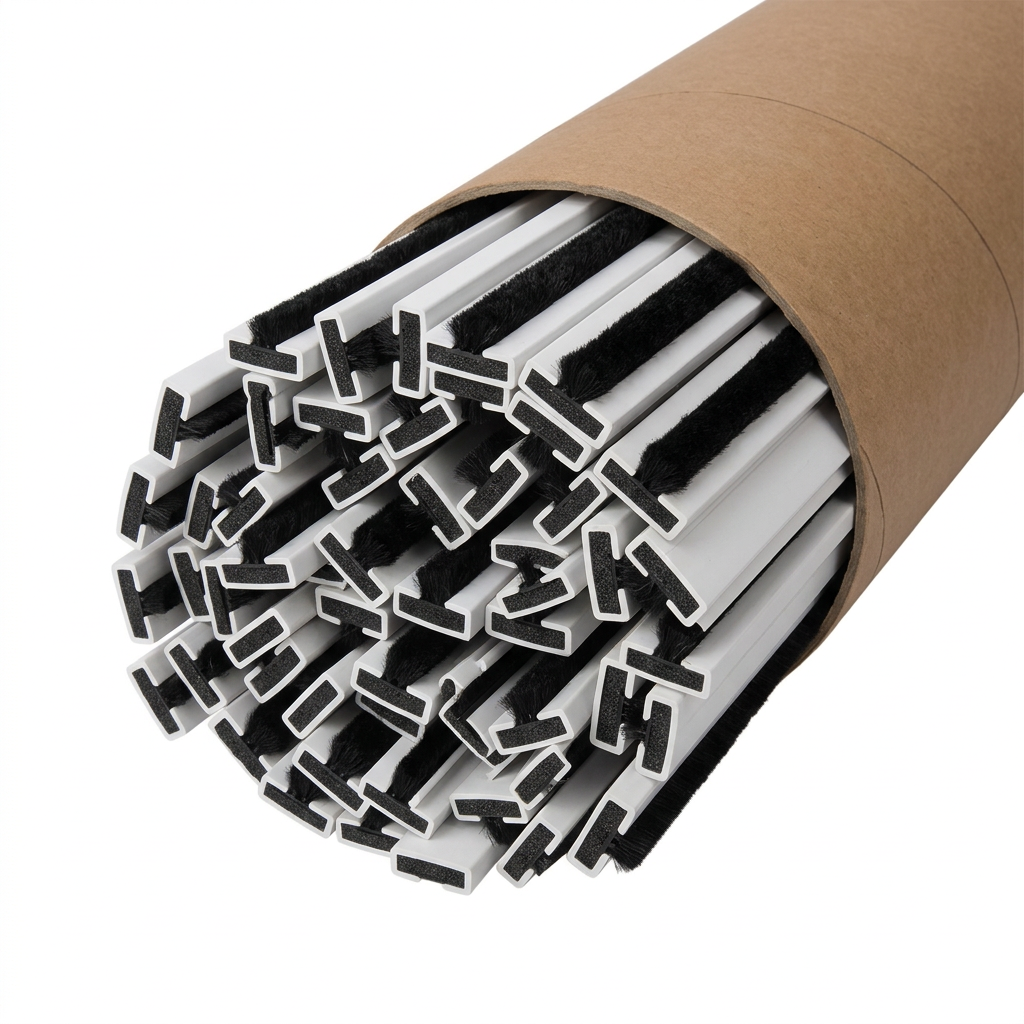
When checking a fire door, ensure there are intumescent strips around the frame or door itself - these should be intact with no sign of damage. Fire only strips are suitable for fire only doors, while fire and smoke strips should be used for fire and smoke doors.
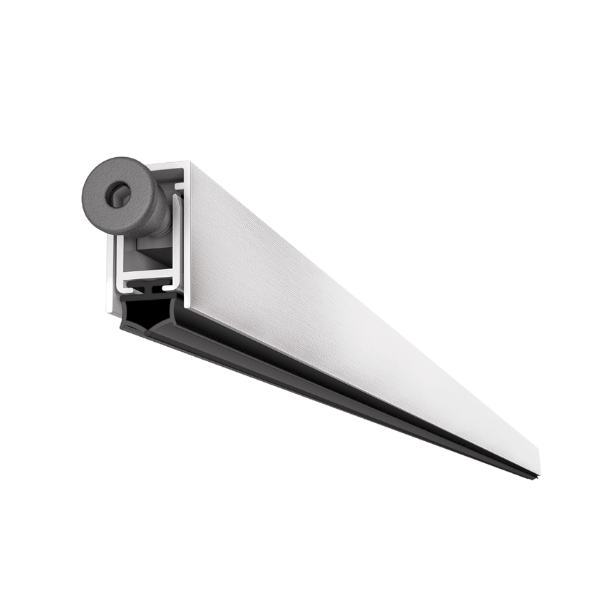
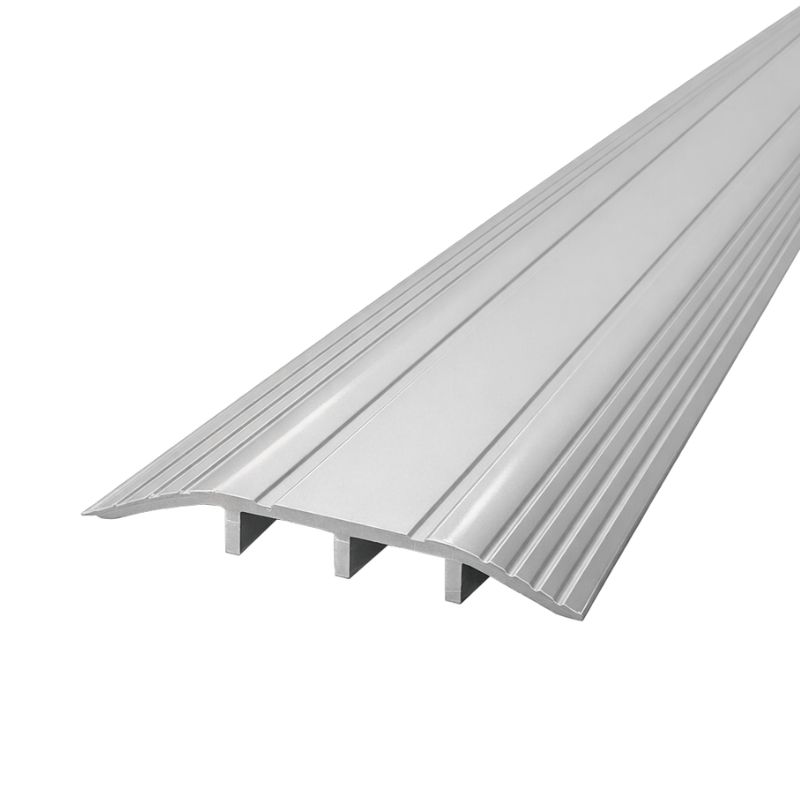
The gap at the bottom of the door should be no more than 8mm. If it's a fire and smoke door, it should be no more than 3mm. If larger than this, a drop down door seal can be used to close the gap.
Ironmongery
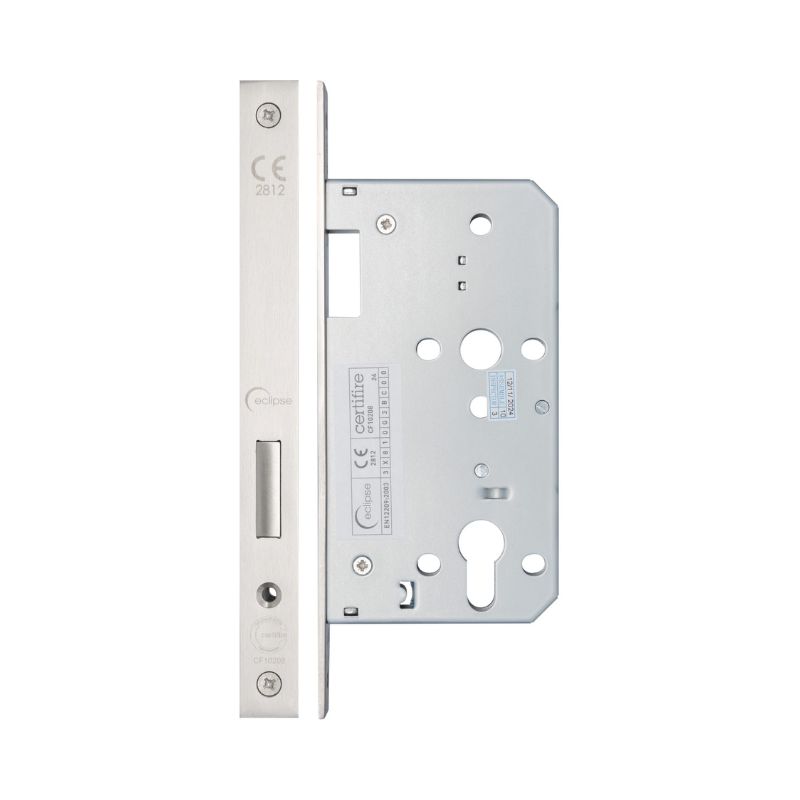
All ironmongery such as locks, latches, door closers, and hinges must be CE or UKCA marked. They should be in full working order with no damages.
If, upon carrying out these checks issues are identified, urgent repairs must be carried out to avoid legal or financial penalties. They should also then be carried out at least on an annual basis if not more regularly, depending on the type of building in question.
Visit the government website to view detailed fact sheets.
How We Can Help
For assistance on which fire door products you might need for your premises, please get in touch with our Technical Team at [email protected] or call 02920 857 959
Related Articles
The 4 Door Closer Control Zones
Knowing the four door closer zones is important when installing a new...
Read more
Fire Door Safety Week: 5 Step Fire Door Check
Fire Door Safety Week is a yearly campaign run by the British Woodworking...
Read more
Types of Fire Door Hinges
There are several types of fire door hinges and it is important...
Read more