In the UK, every business and apartment block is legally required to conduct a fire risk assessment. It is your responsibility to identify fire risks and hazards in your building or premises and take the necessary precautions to mitigate the risk.
What is a fire risk assessment?
A fire risk assessment is an in-depth review of a building or premises, to understand the fire hazards present, and how to prevent a fire from starting. It should also review the protection in place if a fire was to start. As of October 1st 2023, all businesses, regardless of how many employees there are, must now document their fire risk assessment in full.
How often should a fire risk assessment be carried out?
Your fire risk assessment should be reviewed at least every 12 months to ensure that it is up to date, and a new assessment should be carried out by a competent individual, or a professional, every three to four years.
How do you conduct a fire risk assessment?
There are five main steps to a fire risk assessment, as outlined in the government advice. We have run through each step in greater detail below.
1. Identify the fire hazards
You should first conduct an assessment of the building itself and identify any fire hazards.
These are:
- Sources of ignition
- Sources of oxygen
- Sources of fuel
Sources of ignition may include cigarettes, candles, electric heaters, cooking equipment, and other machinery that may generate friction.
Sources of oxygen may include open doors and windows.
Sources of fuel may include flammable chemicals and liquids, soft furnishings, gas, and paper waste.
2. Identify people at risk
In order to ensure everyone’s safety in the event of a fire, you must identify the people at risk. In a business environment, this includes permanent employees, cleaners, part-time workers, freelancers, and security staff. Those in close proximity to your building should also be noted.
You should also consider those with disabilities, elderly people, and children, as they may need extra support in the event of an emergency.
3. Evaluate, remove or reduce the risks
Working with the building manager, you should eliminate potential risks immediately. This might include safely storing flammable materials away from your building, asking employees to smoke in a designated area, the upkeep of electrical equipment, and so on. Waste removal should be managed effectively, to prevent the build up of flammable material in one place - this can also be a target for arson.
4. Record your findings, prepare an emergency plan and provide training
Each business should have a designated fire safety officer, who can guide everyone to safety in the event of a fire. This person should record the findings of the fire risk assessment and also put together an emergency plan.
This includes outlining an accessible escape route, with a meeting point for employees to gather at. Large companies can also put together a register, to ensure everyone in the building is accounted for. As part of your fire safety training, a fire drill should be carried out so that staff members know how to get out of the building if a fire starts. Your fire alarms should also be tested once per week.
Full fire safety training should be carried out, including running through the potential risks you have identified and how staff can help to prevent this from happening - such as removing waste, keeping electrical equipment well ventilated, and smoking in the designated smoking area(s).
5. Review and update the fire risk assessment regularly
Over time, things may change in your building, so you must review your fire risk assessment regularly. Every 12 months is recommended, but you should review this more often in a fast paced environment. As mentioned previously, a full risk assessment should be completed by a professional every few years, as they may be able to identify risks that you hadn’t considered.
How We Can Help
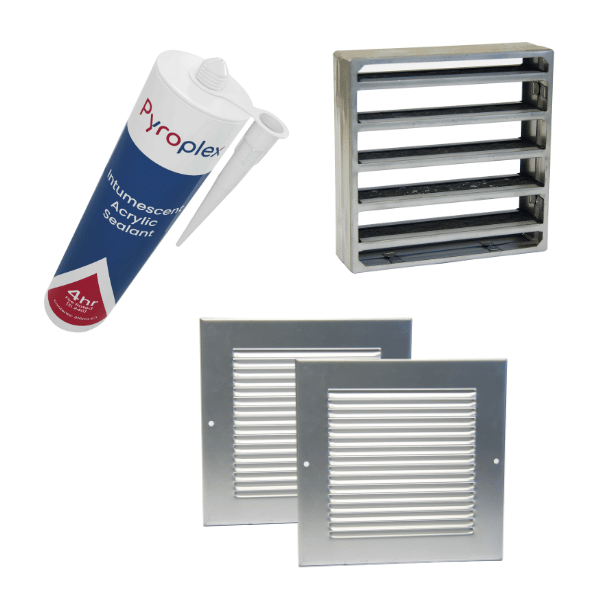
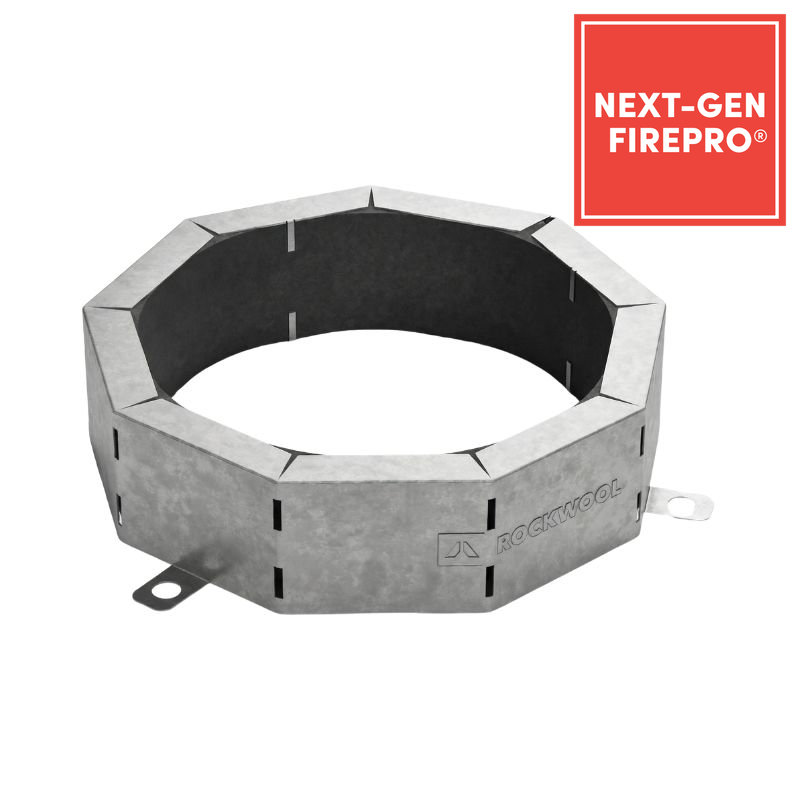
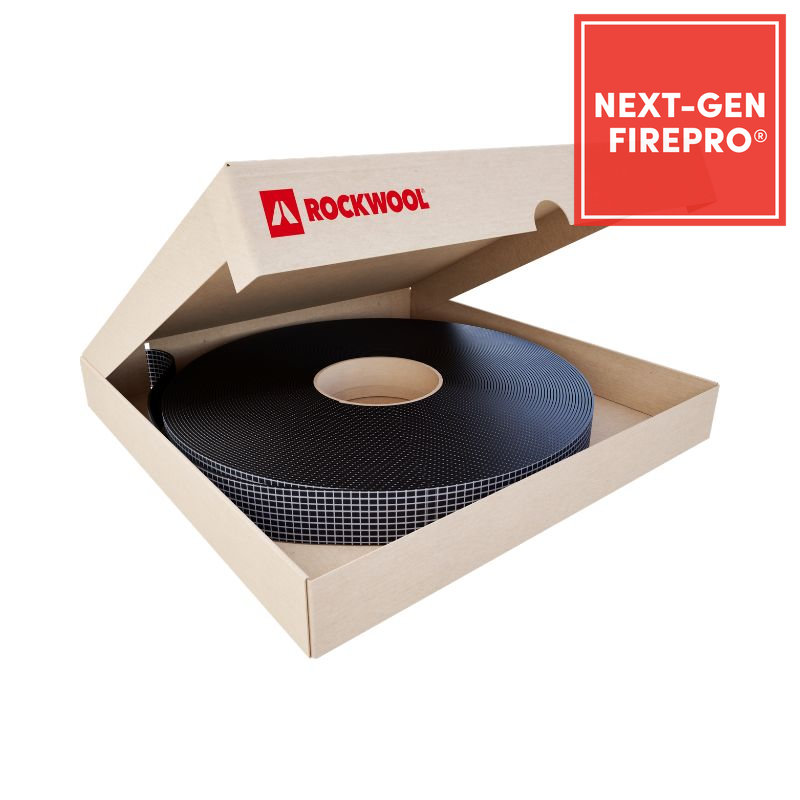
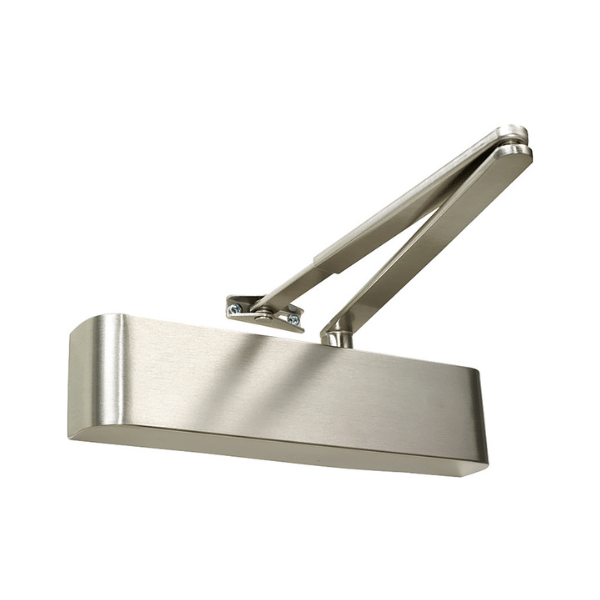
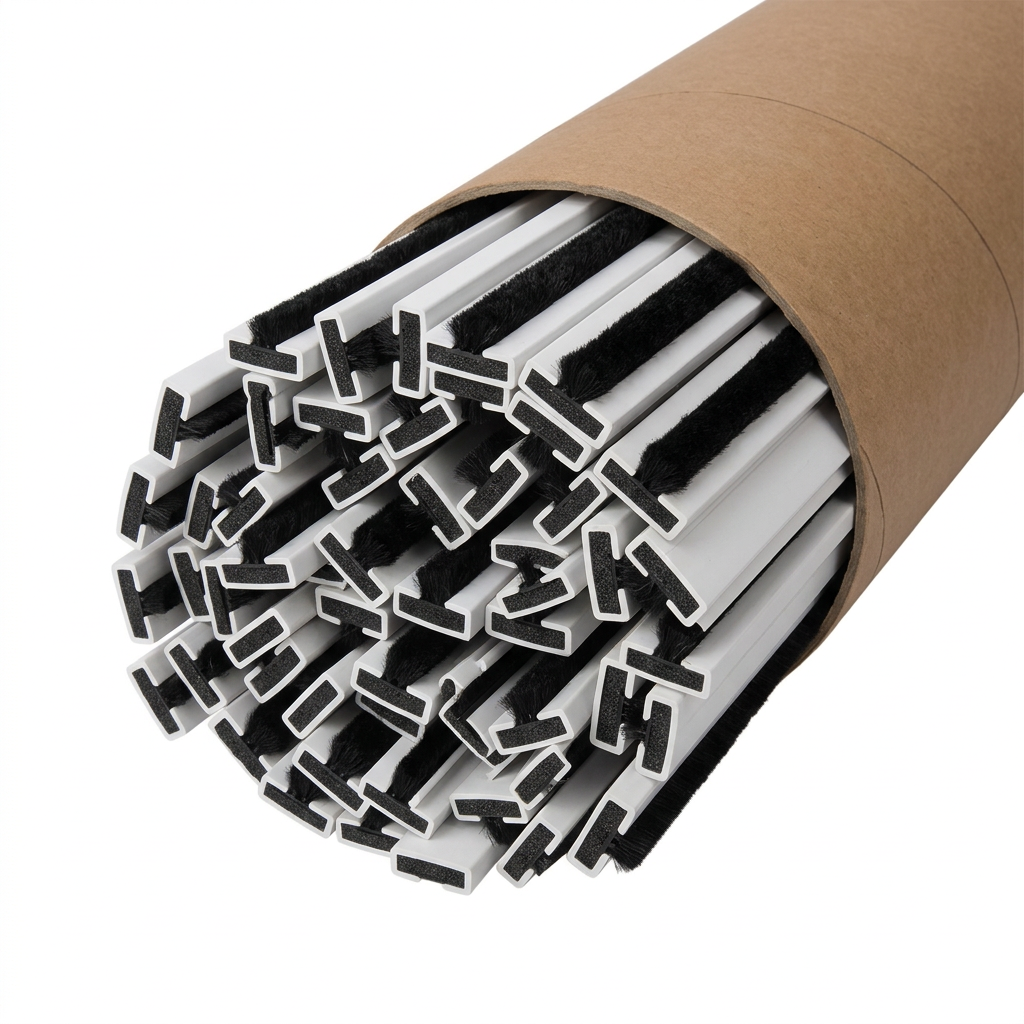
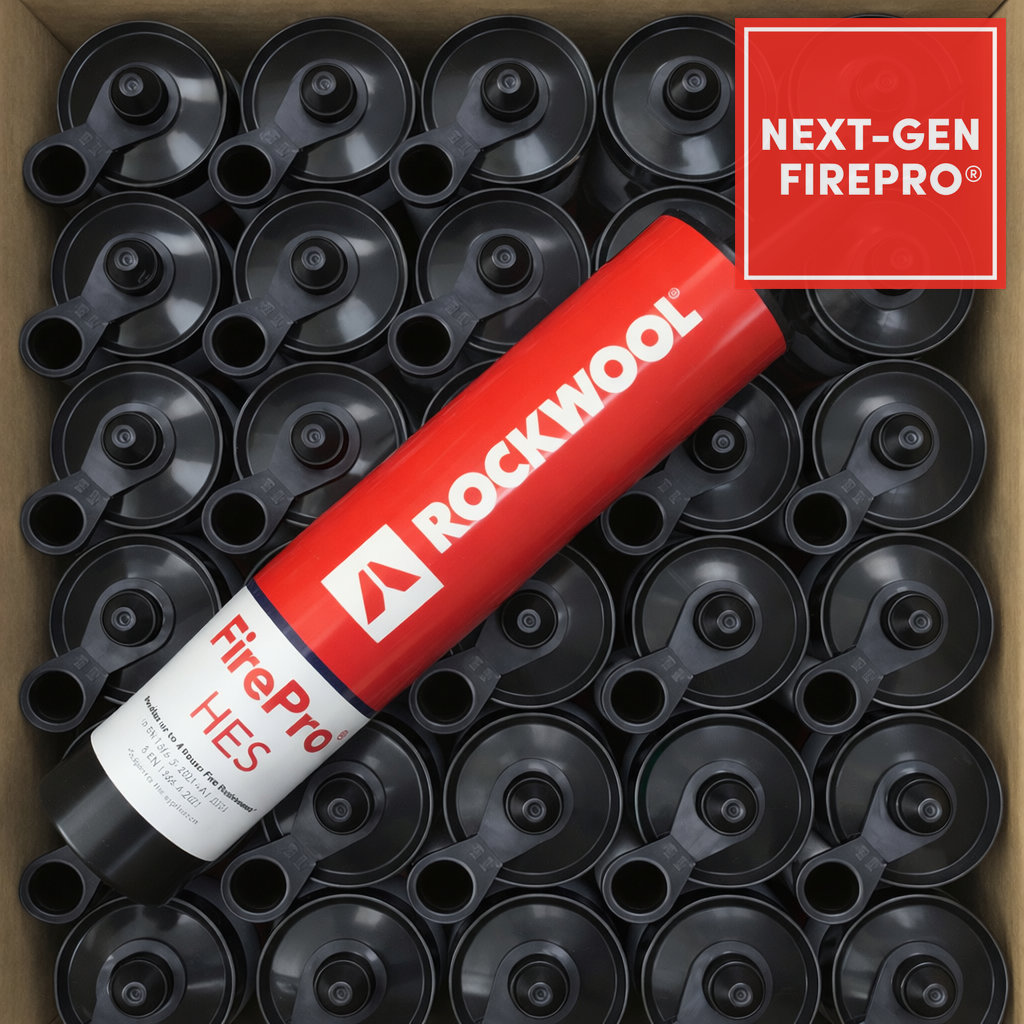
FireSealsDirect are leading providers of fire prevention and protection equipment. If you have identified a risk in your building, we can help to reduce or remove it. From signage to intumescent strips, we have everything you need to keep your staff members safe.