Every workplace has fire hazards, whether we realise it or not. Some are more obvious than others, but they can all lead to a fire if they are not checked regularly.
In order to prevent fires in the workplace, a fire safety officer should carry out checks regularly, as well as conducting monthly fire alarm tests to ensure they are in working order.
We have put together a list of common fire hazards in the workplace, and how to prevent them from causing a fire.
Electrical equipment and outlets
Faulty electrical equipment is one of the leading causes of fires in the workplace. Broken plugs, overloaded outlets, and loose cables can all lead to electrical fires. Equipment can also overheat and cause a fire, so it should always be aerated. Make sure to check all of the electrical equipment in your workplace to ensure it is working properly, and have it tested annually by a professional.
Flammable liquids
If you have flammable liquids in your building, such as cleaning products, or you work in a warehouse with industrial chemicals, they must be stored correctly in order to prevent a fire. You should keep flammable liquids in an aerated cupboard, away from room or building exits. Always keep fire safety equipment close by, including cleaning equipment and a fire extinguisher.
Excess waste
Company waste, such as cardboard and paper, can often build up. If you don’t have a proper waste disposal plan in place, this waste can become the ideal fuel for a fire. Make sure to remove excess waste from your workplace as soon as possible, and keep it away from potential fire sources.
Smoking
Whilst most employees will smoke in the designated smoking area, there is still the potential to cause a fire if the rules aren’t followed, or a cigarette is not put out properly. Be sure to put a smoking policy in place, and show employees the designated smoking area. Provide them with a sand bucket to put out their cigarettes, to avoid them being disposed of incorrectly.
Cooking Equipment
If you work in a restaurant or café, it is likely that you use industrial equipment to cook your food. This can include ovens, gas or electric hobs, deep fat fryers, to name a few. Whilst some fires can be an accident, they can be avoided by always watching over the equipment when cooking, and providing fire prevention training for employees. Additionally, you should keep the relevant fire extinguishers and fire blankets nearby, in case of an emergency.
How We Can Help
If you need advice on the fire equipment you need for your workplace, get in touch with our expert team who will be happy to help you.
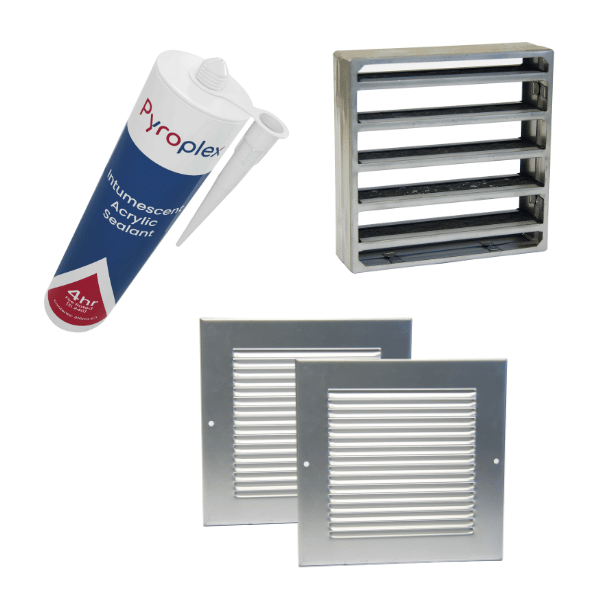
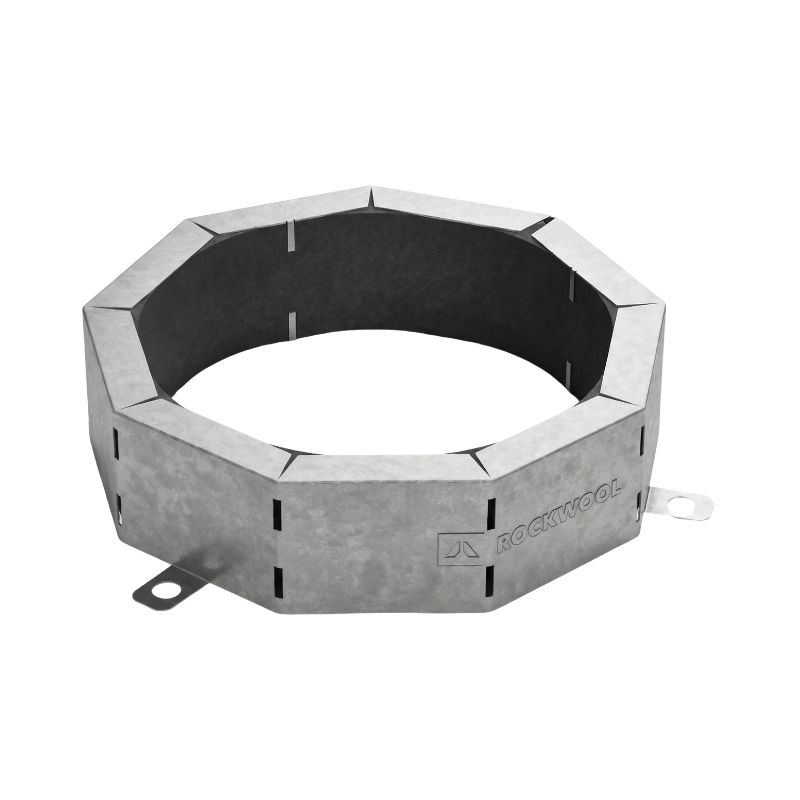
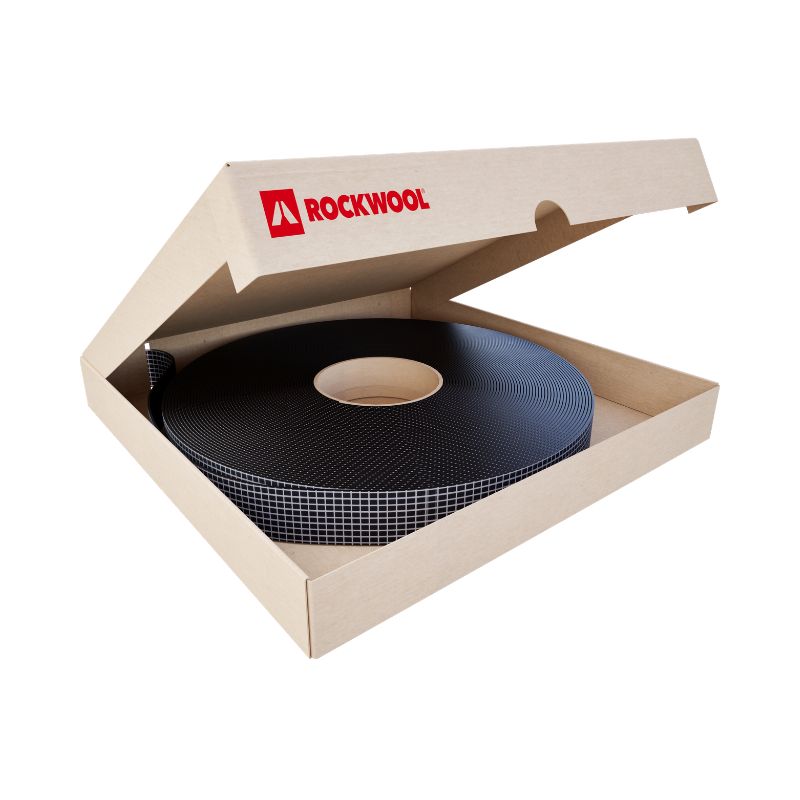
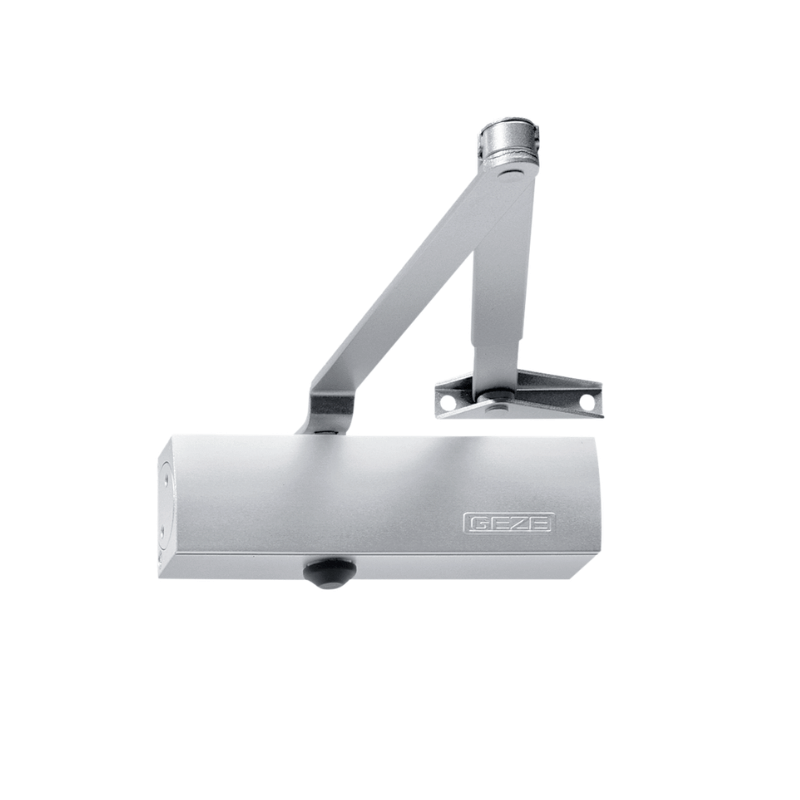
Browse our range of passive fire protection products for your workplace.